SOFTSWISS vs NuxGame 2026: Enterprise Licensing vs Crypto-Native Speed
NuxGame can take an operator live in 24 hours. SOFTSWISS needs 4 to 12 weeks, and it charges a setup fee that starts at €35,000. Both platforms deliver a working casino: games, payments, a CRM, and a licence to trade under. The real difference is not quality. It is which risk an operator wants to carry. One path is slower and pricier, with deeper regulatory cover. The other path is fast and cheap, but its licensing does not reach every market.
- The core trade-off in one number
- Setup cost: $15,000-$35,000 vs €35,000+
- Time to launch: 24 hours vs 4-12 weeks
- GGR share: ~10% vs 25-40% true all-in
- Game library: 16,500+ vs 40,000+ titles
- Licensing: the MGA gap
- Crypto infrastructure: Web3-native vs bolt-on
- Full comparison table
- When SOFTSWISS is the better fit
- Who NuxGame is built for
- FAQ
The core trade-off in one number
SOFTSWISS has run since 2008. It has launched more than 1,400 casino brands. NuxGame is younger. It launched in 2018, a decade later, and runs out of Willemstad, Curaçao. That age gap explains most of what follows.
A longer track record buys SOFTSWISS two real advantages. It has the broadest sublicensing menu on the market. It also has the deepest game catalogue of any provider in this comparison. That history is not free, though. Entry costs more, and the launch timeline runs into weeks.
NuxGame, as the younger company, competes on speed and price instead. It offers a 24-hour rapid deployment option. Its estimated setup cost is $15,000 to $35,000. That sits well under SOFTSWISS’s confirmed €35,000+ floor. NuxGame also builds crypto support into its core API, rather than adding it on top.
Neither fact makes one platform objectively stronger. Picture an operator who needs to launch this month and is fine with Curaçao licensing. NuxGame is the right call for that operator. Now picture one who needs MGA-regulated access, or wants the widest game library from day one. SOFTSWISS is the right call there, even though it costs more and takes longer. The full ranked comparison of white label platforms places both providers in context against the rest of the market.
Setup cost: $15,000-$35,000 vs €35,000+
SOFTSWISS publishes a setup fee starting at €35,000, roughly $38,000 at current exchange rates. That figure is a floor, not an average. It covers the base platform build only. Custom integrations, sportsbook add-ons, and an extended compliance review all cost extra. Each of those pushes the real first-year cost higher.
NuxGame does not publish a flat setup fee. Every quote is built per project, which makes direct comparison harder. Independent reviews from btcgosu.com and iGamingX put the realistic range at $15,000 to $35,000. That is well under the SOFTSWISS floor in every case. Realistic first-year all-in cost on NuxGame runs from $40,000 to $150,000, once volume and customisation are factored in.
The practical read is simple. An operator with $20,000 in startup capital has a real shot at a NuxGame launch. That same operator cannot clear the SOFTSWISS sales process. €35,000 is only the starting point, before any customisation is added. Capital alone rules one of these platforms out for many operators.
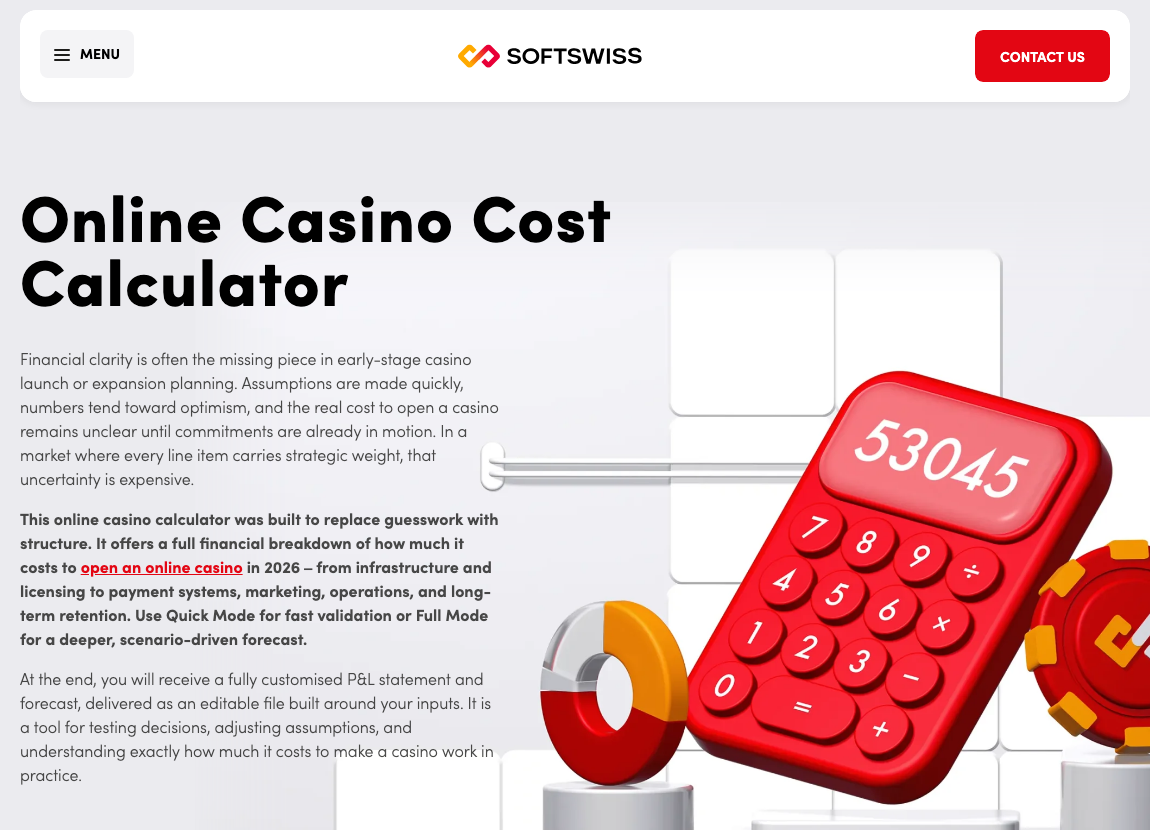 SOFTSWISS’s back-office view of its game aggregator, the layer that bills separately from the base platform licence, via softswiss.com.
Time to launch: 24 hours vs 4-12 weeks
NuxGame’s standard build takes 2 to 4 weeks. Its rapid deployment option runs on pre-built templates. Those templates run under NuxGame’s own Curaçao licence. Using that option, a casino can go live in 24 hours. That is the fastest path among providers that still require a sales call.
SOFTSWISS documents a 4 to 12 week launch window. Eight weeks is the realistic median for the standard casino product under the SOFTSWISS sublicence. Existing SOFTSWISS operators can add a sportsbook in under a week. That fast figure only applies to accounts already live, not new launches. A first launch still runs through the full process: a business plan review, a compliance assessment, and a multi-week build.
For an operator chasing a tight market window, the 24-hour NuxGame path saves real time. A SOFTSWISS launch cannot match that speed. For an operator whose timeline already depends on investors or slow regulators, the 8-week SOFTSWISS median matters less.
GGR share: ~10% vs 25-40% true all-in
This is where headline numbers mislead the most. It is worth being precise about what each figure includes.
NuxGame publishes a revenue share of approximately 10% of GGR. Unusually for this market, NuxGame also offers deals with no revenue share at all. In those deals, the operator trades a lower or zero percentage for a different fee structure. Based on NuxGame’s own published terms, the 10% figure looks close to the real cost on its standard model. The company does not describe a separate layer of aggregator or CRM billing stacked on top.
SOFTSWISS advertises a GGR share of roughly 10-15%. That number covers the platform licence only. Game aggregator fees sit on top, billed per studio and per category through the SOFTSWISS Game Aggregator. Those typically add another 15-20% of GGR. Affilka, SOFTSWISS’s own affiliate and CRM product, is a separate subscription. It starts around $1,500 a month. Payment partner fees are billed per transaction, also separate from the platform fee. Stack those layers together and the real all-in cost lands between 25% and 40% of GGR. That is not the 10-15% headline a sales deck leads with.
Put the two side by side on a true all-in basis. NuxGame’s roughly 10% take is meaningfully cheaper than SOFTSWISS’s 25-40%, for an operator on a comparable revenue model. That gap, on top of the setup cost difference, is the clearest financial argument for NuxGame. It does not erase what the extra SOFTSWISS cost buys, which the next two sections cover.
Game library: 16,500+ vs 40,000+ titles
SOFTSWISS runs the deepest catalogue in this comparison. Its Game Aggregator carries 40,000+ titles from over 300 studios. Those titles are certified across 24 jurisdictions. Every major name is present. That list includes Evolution, Pragmatic Play, Play’n GO, NetEnt, Microgaming, Nolimit City, Push Gaming, Hacksaw Gaming, and SOFTSWISS’s BGaming studio. A Jackpot Aggregator product lets operators run cross-brand jackpot promotions without extra development work.
NuxGame’s library sits at 16,500+ games. That is less than half the SOFTSWISS count, but still a real mid-tier selection for this market. Every title is GLI-19 certified. Gaming Laboratories International is the testing body behind that standard. It certifies game fairness and RNG integrity across regulated markets. That mark is a real floor on quality, even where NuxGame’s count trails SOFTSWISS.
The practical gap shows up mostly in saturated, tier-one markets. Players there have cycled through competitor catalogues for years. They start noticing when one niche title is missing. For an operator launching into a newer or crypto-first market, 16,500 games is plenty. It covers what drives most player activity: major slot studios, live dealer tables, and crash games. The size gap matters more once a brand matures and starts competing for high-value players against five-year-old incumbents.
Licensing: the MGA gap
Both platforms include a licence as part of the deal. The coverage is not close to equal, though.
SOFTSWISS offers sublicensing under six frameworks, the broadest set on the market. Those are MGA in Malta, Curaçao, Kahnawake in Canada, Tobique, Anjouan, and the Isle of Man. SOFTSWISS was the first B2B holder of a Tobique licence. The MGA sublicence runs under MGA/B2B/942/2022. It is the standout advantage. An independent MGA licence costs €25,000+ in fees and takes 6 to 12 months to obtain. Through SOFTSWISS, an operator can launch under its existing MGA B2B Critical Gaming Supply licence in weeks.
NuxGame covers Curaçao and Anjouan today, with a supported pathway toward Malta. It holds no MGA sublicence yet. It also offers no sublicensing route into the UK, Germany, Sweden, or the Netherlands. For an operator targeting only Curaçao-tolerant markets, crypto, or LATAM, that gap does not matter. For an operator who needs MGA-regulated access specifically, it is a hard limit. No amount of NuxGame’s speed or price advantage offsets that. The platform comparison on sublicensing coverage breaks down which frameworks each major provider holds.
Crypto infrastructure: Web3-native vs bolt-on
NuxGame’s strongest technical argument is not its price. Crypto support runs at the API level, not as a payment method bolted onto a fiat-first system. That distinction matters for a brand built around crypto deposits and withdrawals as the primary rail, not a side option. The guide to crypto-focused white label platforms covers this gap in more detail. It explains how a Web3-native build differs from a standard fiat platform with crypto bolted on later.
SOFTSWISS supports crypto too, but its infrastructure was built for fiat-regulated, multi-jurisdiction operators first. Crypto is one payment rail among several there, not the foundation. For an operator whose whole brand runs on crypto from day one, that architectural gap matters. It can outweigh either platform’s headline fee.
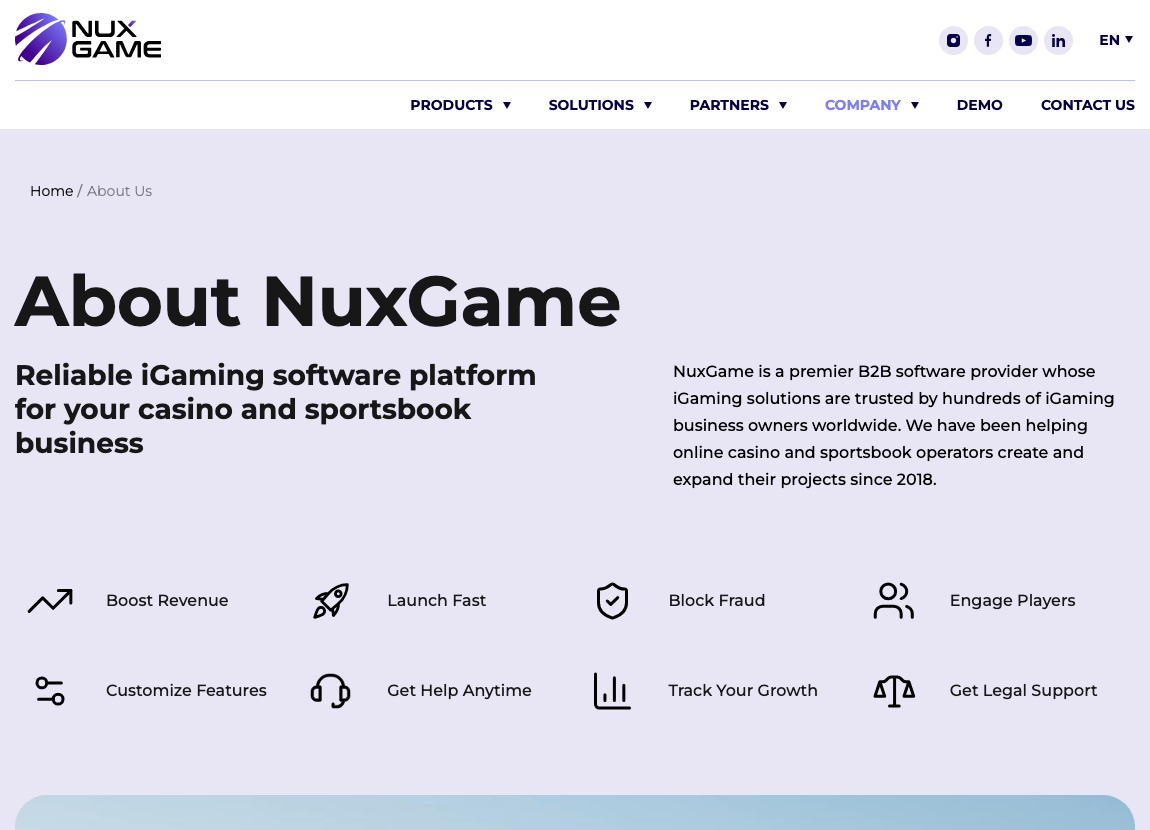 NuxGame’s operator dashboard, where crypto payment rails sit alongside standard configuration options rather than as a separate add-on, via nuxgame.com.
Full comparison table
| NuxGame | SOFTSWISS | |
|---|---|---|
| Setup fee | $15,000-$35,000 (estimated, per-project quote) | €35,000+ (published floor) |
| GGR share (advertised) | ~10%, no-revenue-share options also available | 10-15% platform only |
| GGR share (true all-in) | ~10% | 25-40% (platform + games + CRM + payments) |
| Realistic first-year all-in cost | $40,000-$150,000 | €35,000+ plus 25-40% of GGR |
| Time to launch | 24 hours (rapid option), 2-4 weeks standard | 4-12 weeks, 8-week realistic median |
| Game library | 16,500+ titles, GLI-19 certified | 40,000+ titles, certified in 24 jurisdictions |
| Sublicences | Curaçao, Anjouan, Malta pathway | MGA, Curaçao, Kahnawake, Tobique, Anjouan, Isle of Man |
| Crypto infrastructure | Web3-native, built into the API | Supported, added to a fiat-first architecture |
| Affiliate/CRM tooling | Included in platform quote | Affilka, separate subscription from ~$1,500/month |
| Self-serve signup | No, quote-based | No, requires sales call |
| Founded | 2018, Willemstad, Curaçao | 2008 |
| Brands launched | Not publicly disclosed at SOFTSWISS’s scale | 1,400+ |
| Best suited for | Fast, low-cost, crypto-first launches outside MGA markets | MGA-regulated access, maximum game depth, long track record |
When SOFTSWISS is the better fit
SOFTSWISS fits a specific type of operator. That operator has €35,000 or more in capital available. Their target market specifically requires or benefits from MGA-regulated access. They also want the widest possible game selection from launch day. The SOFTSWISS platform review covers the full feature set behind that fit.
The MGA sublicence is the clearest reason to pick SOFTSWISS over NuxGame. No amount of NuxGame’s speed or savings replaces access to a licensing framework NuxGame does not offer yet. The 40,000+ game library matters the same way. It counts most for operators competing against established brands in saturated markets, where players notice a missing niche title. The 15+ year operating history also carries weight. Investors and B2B partners running due diligence often want a track record longer than NuxGame’s eight years.
None of that comes free. A €35,000+ floor and a true all-in GGR take of 25-40% are real costs, not sales exaggeration. Together, they rule SOFTSWISS out for operators without six-figure first-year budgets.
Who NuxGame is built for
NuxGame fits the operator who needs to move now. That operator usually does not have MGA-regulated markets on the near-term roadmap. It includes crypto-native brands built around blockchain-level payment rails. It also includes affiliates converting existing traffic into a branded casino quickly. And it includes operators testing a new market before committing SOFTSWISS-level capital. The NuxGame platform review covers the deployment process and licensing detail in full.
The 24-hour rapid launch is the headline feature. The deeper advantage is flexibility. Entry costs less. Some commercial models skip a fixed revenue share entirely. The crypto infrastructure is genuinely Web3-native, not a payment method added to a fiat system. Together, those three things make NuxGame a rational pick. It suits an operator who wants to test a brand fast. That operator keeps capital in reserve for growth. It avoids locking most of that money into setup fees before a single player registers.
The trade-off is licensing reach and catalogue depth. An operator who outgrows Curaçao-only coverage will eventually hit a ceiling. So will one who starts losing high-value players to competitors with bigger libraries. That is a problem to solve when it shows up. It is not a reason to avoid NuxGame at launch, if speed and cost matter most today.
FAQ
Is NuxGame really cheaper than SOFTSWISS once everything is counted?
Yes, for an operator on NuxGame’s standard revenue-share model, on both setup and ongoing cost. NuxGame’s estimated setup runs $15,000 to $35,000. SOFTSWISS’s confirmed floor is €35,000+, well above that range. On GGR, SOFTSWISS advertises 10-15%, but that covers the platform licence only. Game aggregator fees, Affilka, and payment partner costs add another 15-25 points on top. The real all-in take at SOFTSWISS is 25-40%. NuxGame’s roughly 10% figure does not carry that same layered billing, based on its published terms. The gap narrows only if an operator specifically needs the MGA sublicence that SOFTSWISS offers and NuxGame does not.
Can NuxGame get me into MGA-regulated markets like SOFTSWISS can?
No. NuxGame currently covers Curaçao and Anjouan, with a supported pathway toward Malta. It holds no MGA sublicence. It also has no sublicensing route into the UK, Germany, Sweden, or the Netherlands. SOFTSWISS offers an MGA sublicence under MGA/B2B/942/2022, alongside five other frameworks. If MGA access is a requirement, not just a preference, the choice is simple. SOFTSWISS is the only one of these two platforms that delivers it today.
Why does NuxGame’s crypto infrastructure matter if SOFTSWISS also supports crypto payments?
The difference is architectural, not a feature checklist. NuxGame built crypto support into its core API from the start. That matters for a brand running mainly on blockchain-based deposits and withdrawals. SOFTSWISS added crypto as one payment rail inside a platform designed first for fiat-regulated, multi-jurisdiction operators. Both platforms process crypto transactions. An operator building a genuinely crypto-first brand will likely find NuxGame’s approach closer to what that business needs.
How much does the game library gap affect a new casino’s performance?
Less than the raw numbers suggest at launch. SOFTSWISS carries 40,000+ titles against NuxGame’s 16,500+. But the games that drive most player activity exist in both libraries. That includes major slot studio releases, live dealer tables, and crash games. The gap matters more once a brand matures and competes head-to-head with established operators in saturated markets. By then, sophisticated players have often exhausted smaller catalogues. They go looking for niche studio titles that only the larger aggregator carries.
If I launch fast on NuxGame, can I move to SOFTSWISS later if I need the MGA licence?
Yes, and that is a reasonable sequencing decision if you are unsure whether you will need MGA access later. Launching on NuxGame validates a brand at a fraction of the SOFTSWISS entry cost. It also generates real player data along the way. If the business later needs MGA-regulated access, or a bigger game catalogue, that history helps. It strengthens the case for a move to SOFTSWISS. The one catch: player data and account migration between platforms takes real planning. Start that planning before the move becomes urgent, not after.
About the Author

Founder, best-white-label-casinos.org
iGaming operator and B2B software evaluator with 20 years of experience launching and reviewing online casino platforms across MGA, Curaçao, and crypto-native environments. Ratings are based on cost transparency, feature depth, regulatory compliance, and operator support quality.
Looking for the best white label casino platform?
Compare 10 providers by cost, launch time, licensing support and game library. Independent editorial, no paid placements.
Compare All Platforms →Some links in this article may be affiliate links. best-white-label-casinos.org may earn a commission at no cost to you. This does not affect editorial independence. Read our terms.
← Previous
SOFTSWISS vs EveryMatrix 2026: Two Paths to Regulated Markets Compared
SOFTSWISS vs EveryMatrix compared on setup cost, licensing model, launch speed, and game library. One sublicenses operators into regulated markets, the other serves operators who already hold a licence.
Next →
SOFTSWISS vs SoftGamings 2026: MGA Sublicensing vs Flexible Deployment
SOFTSWISS vs SoftGamings compared on setup cost, true all-in GGR share, game library, and licensing breadth. Based on published pricing and verified platform data.